
Типовые выражения:
| I live in Germany and work near my home. |
| Let’s go to the cinema on Sunday — I’ll come with my girlfriend. |
| These flowers are for you; they’re on the table in front of the house. |
| I wake up at 8 a.m., go to school, and return home in the afternoon. |
| This house was built by my grandad; it’s next to the park and across the street from a hotel. |
| She works as a nurse at the hospital and is always at work during the day. |
| He looks like you — especially when he stands behind the car or walks around the city. |
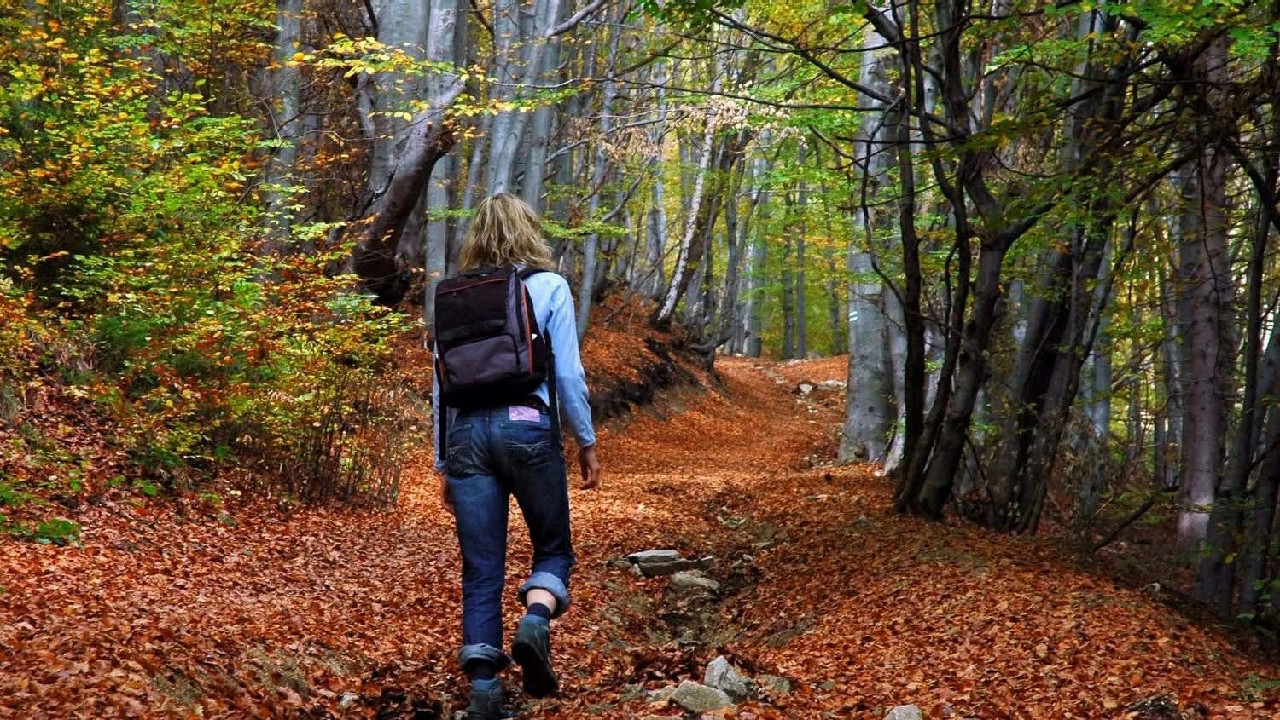
| We went through the forest after the party and flew over the city the next morning. |
| It’s between you and me: she is against you, but I’m with you. |
| Get out of the car! The temperature is below zero, and we’re stuck under the bed without any help. |
| Before lunch, we talked about movies in the restaurant above zero degrees. |
| Among my friends, only a few live near my work or stay at the office late. |
| On Sunday, I prefer to stay at home or relax at the hotel with a cup of tea. |
Типовые вопросы:
| Where do you live? |
| What time do you usually wake up? |
| Did you go to the cinema last weekend? |
| Who built your house? |
| Where were you during the lesson? |
| Are you coming with or without your girlfriend? |
| What do you usually do after the party? |
| Have you ever flown over a big city? |
| Is your workplace near the park? |
| What’s on the table right now? |
| Do you prefer to stay at home or go out on Sunday? |
| Was it difficult to walk through the forest? |
| Who are you talking about — is it between you and me? |
| What did you do before lunch yesterday? |
| Are your keys under the bed or behind the car? |
| How do you feel when someone is against you? |
| Where were you at 8 a.m. this morning? |
| Do you often talk about movies with your friends? |
| Is the temperature above or below zero in Germany in winter? |
| Can you work without any help? |
Назовите как можно больше предлогов времени, места и движения:

Вопросы для обсуждения:
- What’s your favourite place to relax — at home, in a park, or somewhere else? Why?
- Have you ever kept a secret that was “between you and someone else”? What happened?
- Do you prefer going to the cinema alone, with friends, or with a partner? What kind of movies do you like?
- How do you usually get to work or school? Is it near your home or far away?
- What’s something you’ve done “without any help” that you’re proud of?
Video
Reading
More Than Just Small Words
Prepositions like in, on, at, under, between, and around might seem tiny, but they shape how we understand the world. In English, they tell us where things are, when events happen, and how people relate to each other.
Imagine this: “I live in Germany, near my work, next to a park.” Just three prepositions paint a clear picture of someone’s daily life. Or consider: “She is against you, but I’m with you — it’s between you and me.” Here, prepositions express relationships and emotions, not just physical space.
We use them constantly: waking up at 8 a.m., having lunch before a meeting, walking through a forest, or flying over a city. Even weather gets described with them: “It’s below zero” sounds much colder than “It’s above zero”!
Learning common expressions with prepositions — like “at school,” “on Sunday,” or “in front of the house” — helps you sound more natural. And don’t worry if it’s tricky: even native speakers sometimes mix them up! The key is practice. Try describing your day using as many prepositions as you can — you’ll be surprised how much richer your English becomes.
After all, life happens in time, on streets, at tables, and among friends. Prepositions are the quiet guides that help us share it all.