Типовые выражения (обсуждайте, заучивайте и подставляйте свои данные):
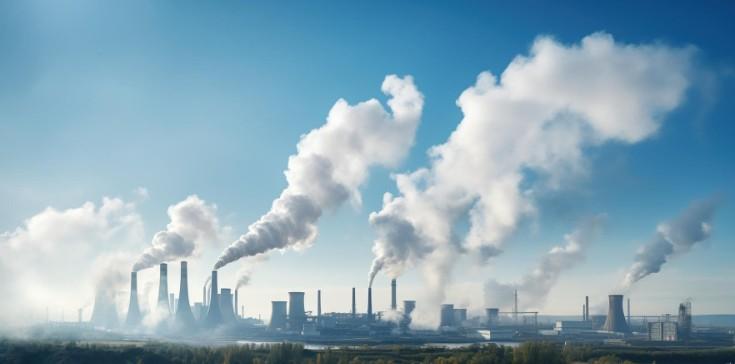
| Factories pollute the air with carbon dioxide emissions, which contributes to global warming. |
| When people cut down forests, many animal species die out because they can no longer survive in their natural habitat. |
| We must protect the environment and combat climate change by using eco-friendly and sustainable practices. |
| Instead of throwing away plastic bottles, we should recycle or reuse them to reduce waste. |
| Water pollution makes it hard for fish to exist, and humans suffer when they drink polluted water. |
| Wildfires, droughts, floods, hurricanes, and earthquakes are becoming more frequent due to climate change. |
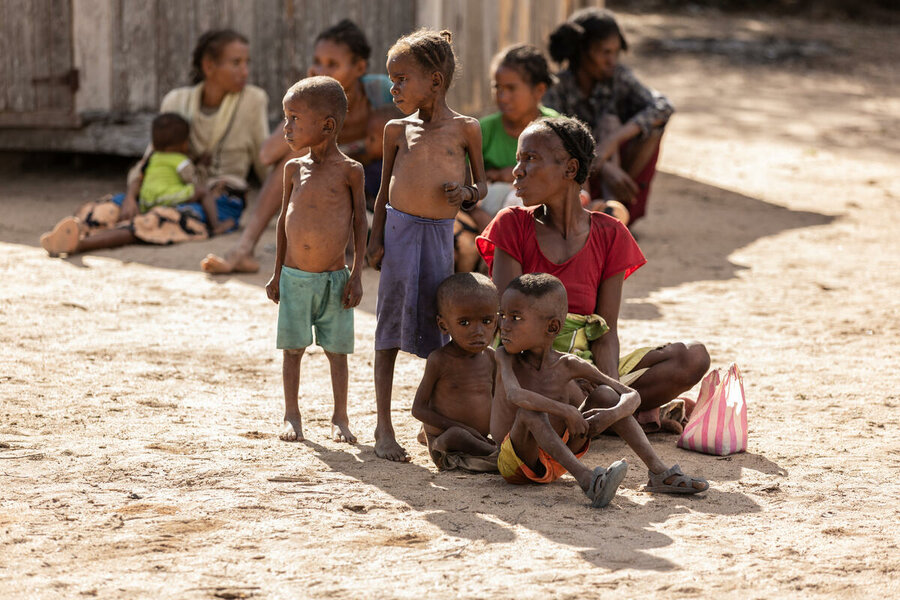
| Famine often follows drought, especially in regions already affected by war or civil war. |
| Millions of people have become refugees because of conflict, overcrowded cities, or environmental disasters. |
| Many poor families live in overcrowded cities without access to clean water, jobs, or housing — some are even homeless or unemployed. |
| Workers sometimes go on strike to demand better conditions, especially when they can’t afford organic food and must eat cheap processed food. |
| Disposable products create huge amounts of waste — we should avoid them and choose reusable alternatives. |
| If we don’t save our natural resources now, future generations won’t be able to survive. |
| Global warming is real: glaciers are melting, sea levels are rising, and extreme weather events are increasing. |
| Eating organic food and supporting sustainable farming helps protect the planet and reduce pollution. |
| Everyone can help — even small actions like not wasting water or recycling paper make a difference. |
Task: Fill in the blanks
Complete the sentences with words from the list. Use each word only once.
- sustainable
- refugees
- die out
- combat
- polluted
- drought
- recycle
- homeless
- carbon dioxide emissions
- organic
- Many people are forced to leave their homes and become __________ due to war or natural disasters.
- If we don’t act now, some rare animals may __________.
- We should __________ paper, glass, and plastic instead of throwing everything away.
- __________ from cars and factories are a major cause of global warming.
- After a long __________, crops fail and famine can occur.
- __________ food is grown without chemicals and is better for the environment.
- The river is so __________ that fish can no longer live in it.
- Many cities have shelters for the __________, but the problem is growing.
- We need __________ solutions that meet today’s needs without harming the future.
- Governments and citizens must work together to __________ climate change.
Task: Sentence transformation
Rewrite each sentence using a different grammatical structure (passive voice, future, conditional, etc.).
Example:
Original: People cut down forests every day.
Rewritten: Forests are cut down every day.
Many animals can’t survive because of pollution.
We should protect natural resources.
They threw away too much plastic last year.
Global warming causes more hurricanes.
Someone is wasting water in the bathroom.
Справочник английской грамматики
Типовые вопросы:
| What can individuals do to reduce air pollution? |
| Have you ever recycled or reused something instead of throwing it away? |
| Why do you think some animal species are dying out? |
| Do you believe global warming is caused by human activity? |
| How do natural disasters like floods or earthquakes affect people’s lives? |
| Should governments ban disposable plastic products? |
| What problems do refugees face when they leave their home countries? |
| Is processed food healthier or worse than organic food? Why? |
| Have you ever been stuck in a traffic jam? How did you feel? |
| Can sustainable living help fight climate change? |
| Why do wildfires happen more often now than in the past? |
| What would you do if your city became overcrowded? |
| Should rich countries help poor countries during famines or droughts? |
| How can we protect forests from being cut down? |
| Do you think eco-friendly products are worth the extra cost? |
Task: Match the question to the answer
Match each question (1–5) with the most logical response (a–e).
- What can individuals do to reduce air pollution?
- Why do wildfires happen more often now?
- Should governments ban disposable plastic?
- How do natural disasters affect people?
- Is processed food worse than organic food?
a) Yes, because it creates so much waste that harms the environment.
b) They often lose their homes, jobs, and even family members.
c) Yes, it usually contains more sugar, salt, and preservatives.
d) Because of hotter temperatures and longer dry seasons caused by climate change.
e) They can walk, cycle, use public transport, or drive electric cars.
Task: Write your own answers
Choose 5 questions from the Common Questions list and answer them in full sentences. Use at least two different tenses (e.g., present perfect, conditional, future).
Example:
Have you ever recycled or reused something instead of throwing it away?
→ Yes, I’ve reused glass jars to store food, and I always recycle paper and plastic.
Разделяете ли вы мусор; сдаете ли продукты на переработку; попадали лы вы в экстремальные погодные условия:
Вопросы для обсуждения:
— Which global problem do you think is the most urgent today — climate change, war, poverty, or something else? Why?
— Can individual actions really make a difference in solving global problems?
— Should schools teach students more about sustainability and eco-friendly living?
— Is it fair that poor countries suffer the most from climate change, even though rich countries cause most pollution?
— What would the world look like in 50 years if we don’t change how we use natural resources?
Video
Reading
One Planet, Many Crises
Our world is facing multiple interconnected challenges. Global warming is no longer a distant threat — it’s here. Rising temperatures lead to more intense wildfires, longer droughts, and devastating floods. In 2025 alone, hurricanes have destroyed coastal towns, and earthquakes have left thousands homeless.
At the same time, humans continue to cut down forests at an alarming rate. This not only destroys habitats — causing species to die out — but also reduces the planet’s ability to absorb carbon dioxide emissions. Meanwhile, water pollution and plastic waste choke rivers and oceans.
Millions of people suffer. In conflict zones, civil war forces families to flee as refugees. In overcrowded cities, the poor and unemployed struggle to survive. Some go on strike demanding fair wages, while others can’t afford even basic organic food and rely on cheap processed food.
But there is hope. Around the world, people are choosing to recycle, reuse, and live more sustainable lives. Governments are investing in eco-friendly technologies. And young activists remind us: we only have one Earth — and we must protect it before it’s too late.