
Типовые выражения (обсуждайте, заучивайте и подставляйте свои данные):
| The nearest pharmacy is just round the corner — it’s not far at all! |
| My best friend lives next door, but my cousin lives three doors down. |
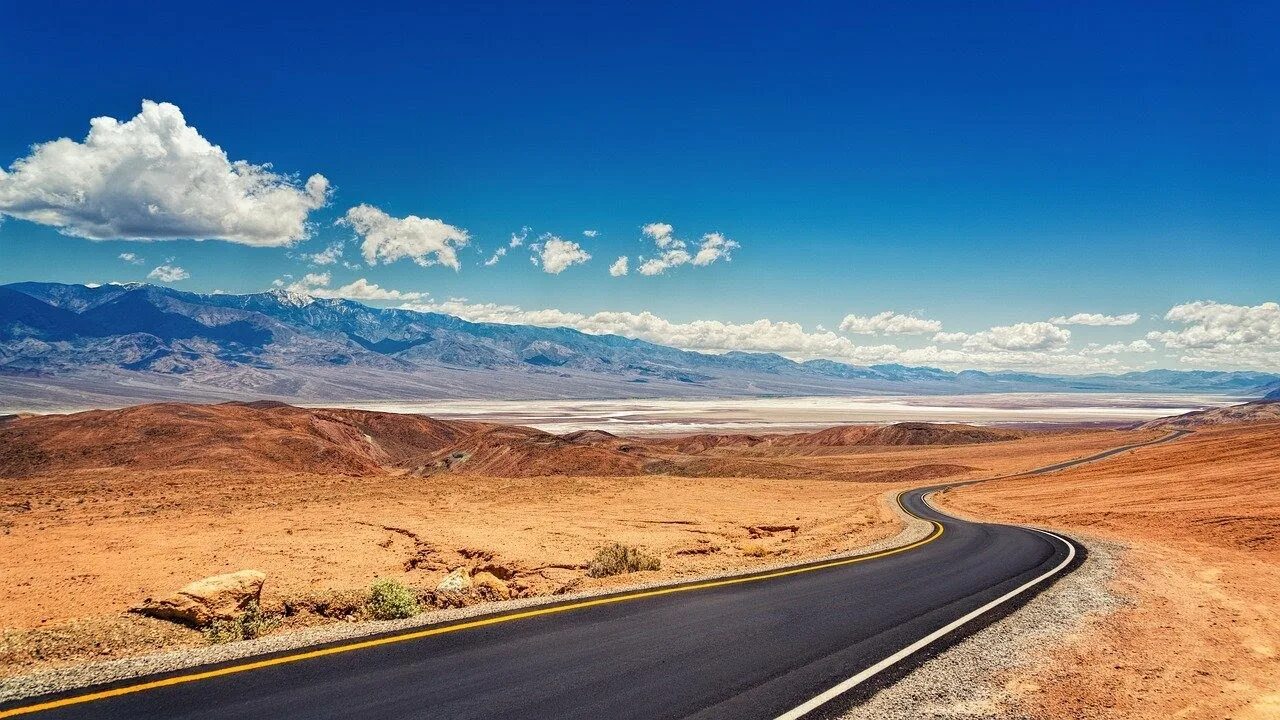
| The mountains in the distance look high and majestic, but they’re actually distant — it’s a long way to get there. |
| This river is very wide but surprisingly shallow, while the lake nearby is deep and narrow. |
| He’s tall and thin, while his brother is short and medium height. |
| Don’t worry — the café is nearby, only ten minutes’ walk from here. |
| The box is large but light, while the suitcase is small and heavy. |
| That building is the tallest in the city, but the old tower next to it is short and wide. |
| The rope is long and thick, but the thread is tiny and thin. |
| Is the museum too far to walk? No, it’s next to the park — really near! |
| We measured the length, width, and depth of the pool: it’s 25 meters long, 10 meters wide, and 2 meters deep. |
| She’s medium height, with long hair and light shoes. |
| The village is distant and hard to reach — it’s far from any major road. |
| These books are big, but that notebook is tiny — you can fit it in your pocket! |
| The canyon is incredibly deep, but the stream at the bottom is shallow and narrow. |
Task: Describe Your World
Write a short paragraph (6–8 sentences) describing:
– your room or apartment (size, furniture dimensions),
– your neighbourhood (what’s near/far),
– and one natural feature nearby (river, hill, park — use depth/width/height words).
Task: Opposites & Comparisons
Match each word with its opposite from the list, then write 3 comparison sentences using them.
Pairs to match:
- far ↔ ?
- tall ↔ ?
- wide ↔ ?
- deep ↔ ?
- heavy ↔ ?
- large ↔ ?
Then write sentences like:
The alley is narrow, but the main street is wide.
My phone is light, but my laptop is heavy.
Справочник английской грамматики
Типовые вопросы:
| How far is the train station from here? |
| Is there a supermarket nearby? |
| Do you live next door to your best friend? |
| How tall are you? |
| What’s the height of that skyscraper? |
| Is the river deep or shallow? |
| How long does it take to walk to school? |
| Is your phone light or heavy? |
| Are the mountains distant or near your city? |
| Is your room wide or narrow? |
| How wide is this table? |
| Do you prefer big or small cities? |
| Is the library just round the corner or too far to walk? |
| What’s the length of your street? |
| Are you medium height, tall, or short? |
Task: Question → Answer → Follow-up
Choose 5 questions from the Common Questions list. For each:
- Say the question aloud.
- Give a full personal answer (3–4 sentences).
- Create a natural follow-up question.
Example:
Q: How far is the train station from here?
A: It’s about 15 minutes’ walk. I go there every morning, and I always pass a small park on the way.
Follow-up: Is there a bus that goes to the station too?
Task: “Guess the Object/Place” Game
Think of a real object in your home or a place in your city. Answer 5 questions from the list as if you were describing it, but don’t say what it is. Then read your answers aloud — your teacher (or imaginary partner) guesses what it is!
Example (object = a bookshelf):
– It’s tall and narrow.
– It’s next to my desk.
– It’s not heavy, but it’s quite large.
– Its width is about 80 cm.
– It’s not far from the window — just two meters away.
Какой рост считается высоким; какая самая толстая книга, которую вы когда-либо читали; назовите три тяжелых предмета у вас дома:

Вопросы для обсуждения:
— Would you rather live in a distant village or a big city? Why?
— How important is it for shops and services to be nearby where you live?
— Do you think modern buildings are too tall? Should there be limits on height?
— Is it better to carry a light backpack or a heavy one when traveling? Why?
— Can something be long but not big? Give examples (e.g., a thread, a snake, a road).
Video
https://youtu.be/qjwqKPU9uGQ?si=yBV5WgPsC0rh9Khx
Reading
How We Describe the World Around Us
When we talk about places, objects, or even people, words for distance and size help us paint a clear picture.
Is the café nearby or a long way off? Is your neighbour next door or three doors down? These phrases help us give directions and understand location. In cities, everything might be just round the corner — but in the countryside, the nearest shop could be far or even distant.
When describing things, we use tall for people and buildings, but high for mountains or shelves. A river can be wide but shallow, while a well is narrow and deep. We measure length, width, and depth to understand space — and use words like tiny, large, thin, or thick to compare objects.
Even our bodies are described this way: someone can be short and heavy, or tall, thin, and medium height. These words aren’t just useful — they’re essential for everyday communication!
So next time you describe your room, your commute, or your favourite hiking trail, think: How far? How big? How deep?