
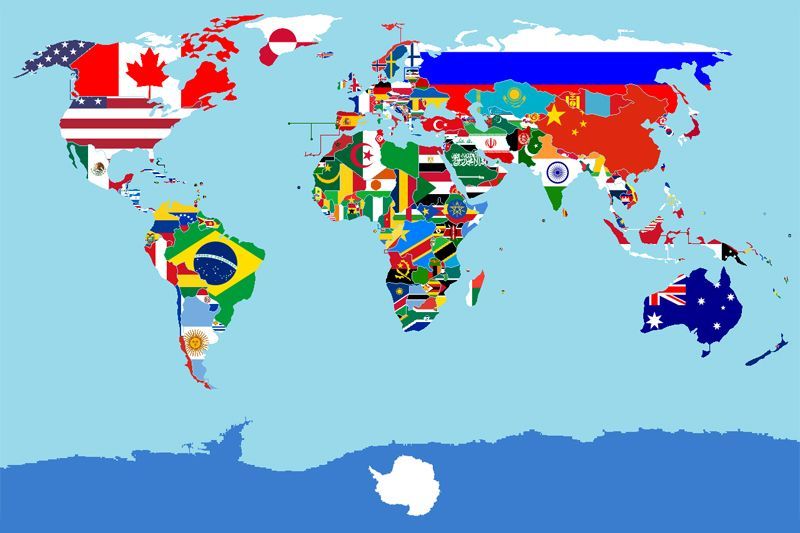
Типовые выражения:
| She’s American, but she lives in Canada and speaks fluent French. |
| My best friend is British, and his wife is Australian — they met in Spain. |
| We watched a Japanese anime, ate Italian pizza, and drank Brazilian coffee. |
| He’s German, but he works for a Chinese tech company in Sweden. |
| I love Mexican food, Indian spices, and Turkish tea. |
| They’re planning a trip to Egypt to see the pyramids and learn about Egyptian history. |
| My neighbour is Russian, but her kids were born in the USA and are American citizens. |
| She studied Korean language and now works with South Korean designers. |
| We hired a Dutch architect to redesign our Argentine villa. |
| Many French tourists visit Italy every summer, and lots of Spanish students study in the UK. |
Типовые вопросы:
| Where are you from? Are you American or Canadian? |
| Have you ever visited Japan? What did you think of Japanese culture? |
| Is your teacher British or Australian? |
| Do you prefer Italian or Mexican food? |
| What do you know about Brazilian music? |
| Are your parents Chinese or Indian? |
| Have you met any German engineers? |
| Why do so many Russian speakers live in Germany? |
| Would you like to study in the Netherlands? |
| Is your new colleague Turkish or Egyptian? |
| What’s the difference between Spanish and Argentinean Spanish? |
| Do you have any Swedish friends? |
| Have you tried Korean skincare products? |
| Are you planning to travel to France or Italy next year? |
| What do you think of American movies vs. British TV shows? |
Назовите страны, где вы бывали; расскажите о ваших знакомых иностранцах; где бы вы хотели побывать и почему:

Вопросы для обсуждения:
- If you could live in any country from this list for a year, which would you choose and why?
- Have you ever had a friend or colleague from a different nationality? What did you learn from them?
- Which country’s culture (e.g., Japanese, Italian, Mexican) do you find most interesting, and why?
- Do you think national stereotypes (e.g., “Germans are punctual,” “Italians love pasta”) are true or unfair?
- How has globalization changed the way we see national identities? For example, can someone be both British and Indian?
Video
Reading
More Than Just Passports: Nationalities in a Connected World
When we say someone is French, Brazilian, or Japanese, we often think of flags, accents, or traditional food. But in today’s world, nationality is more complex — and more fascinating — than ever.
Take London: you’ll hear Russian in cafes, eat Turkish baklava, and work with Indian developers. In Toronto, a “typical” family might have a Chinese mother, a Mexican father, and kids who identify as Canadian. Language, culture, and identity no longer fit neatly into borders.
And yet, words like Australian, German, or Egyptian still carry deep meaning. They connect us to history, cuisine, art, and shared experiences. Learning to say “She’s Swedish” or “They’re from Argentina” isn’t just grammar — it’s a way to show respect and curiosity about others.
So next time you meet someone from another country, don’t just ask “Where are you from?” Try: “What’s something about your culture that you wish more people knew?” You might be surprised by the answer.